
Vertical and horizontal pressure leaf filters for edible oil bleaching, sugar syrup polishing and chemical clarification — with wet or dry cake discharge.
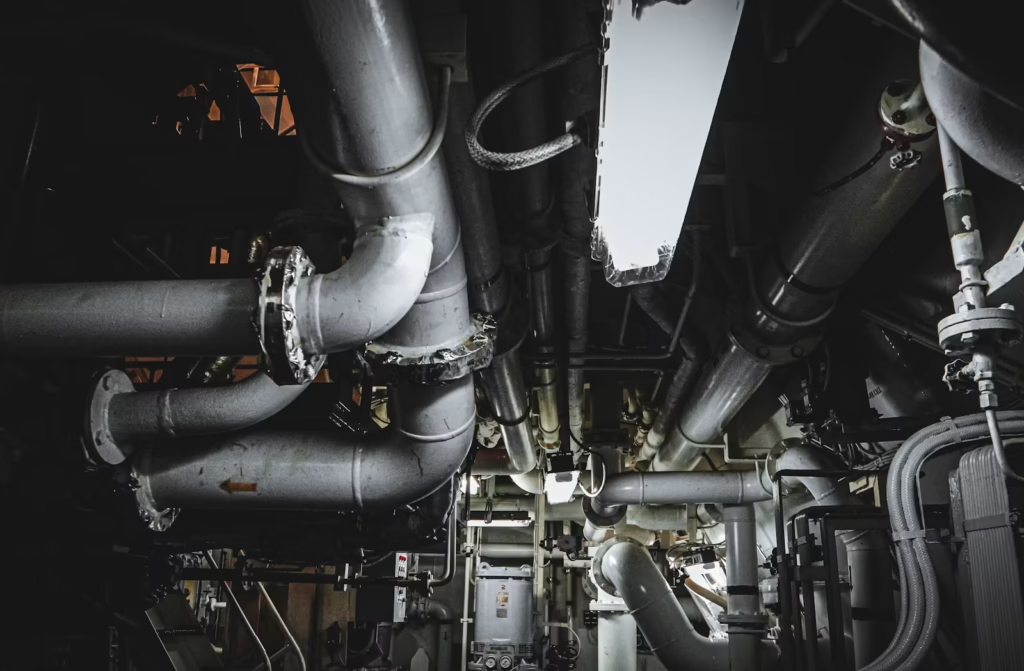
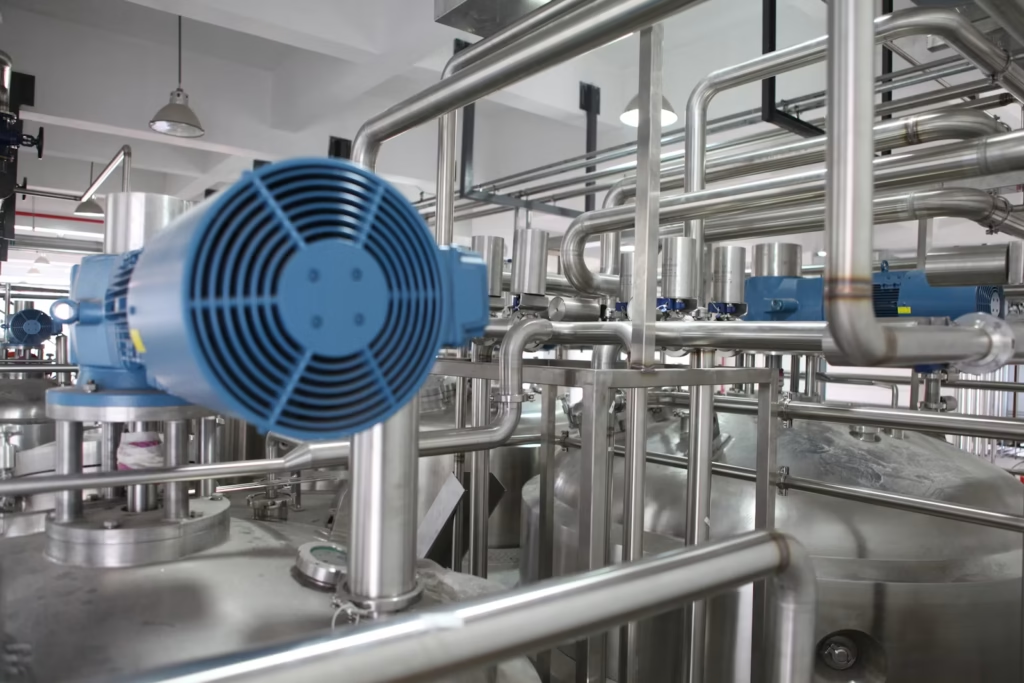
A pressure leaf filter separates solids from a liquid using mesh-covered leaves held inside a pressure vessel. A filter aid is precoated onto the leaves to form the filtering surface. It is the standard technology for edible oil bleaching, sugar syrup polishing and catalyst recovery.
Also called: leaf filter · vertical pressure filter · bleaching filter · niagara filter
The precoat is the actual filtering surface. Grade and dosing rate change the result more than the filter does.
Filtration area in m² follows from flow and cake capacity per cycle. Quote sheets that state vessel volume instead are hiding something.
Dry vibratory discharge leaves far less product in the cake — it pays for itself where the retained oil has value.
Stainless for edible oil and food; carbon steel where the duty and the product allow it.
Precoat, filter, dry, discharge. Cycle time drives how many filters a plant needs, so state your daily throughput.
Almost always on bleaching and polishing duties. The precoat forms the actual filtering surface and protects the mesh; dosing equipment can be supplied with the filter or added to an existing installation.
Dry vibratory discharge leaves far less oil in the cake, which matters when the retained product has value. Wet sluicing is simpler and cheaper, and fine where the cake is waste.
Replacement leaves, mesh and gaskets are available for most common makes. Send photographs and the nameplate and we will confirm what fits.