Gasketed plate heat exchangers for heating, cooling, pasteurising and heat recovery — plus replacement plates and gaskets for units already installed on your plant.
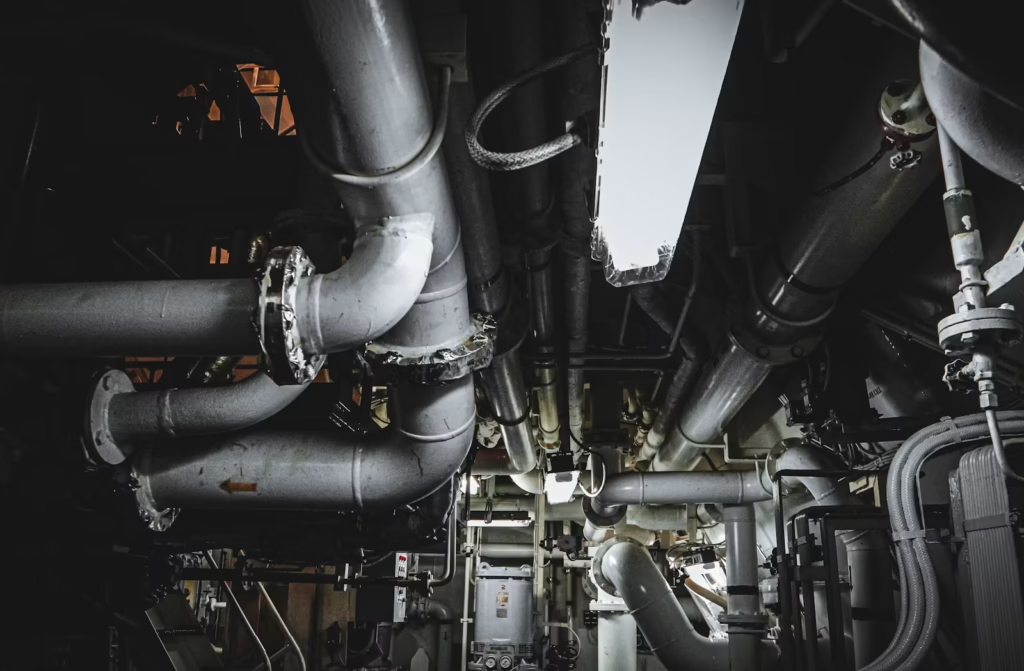
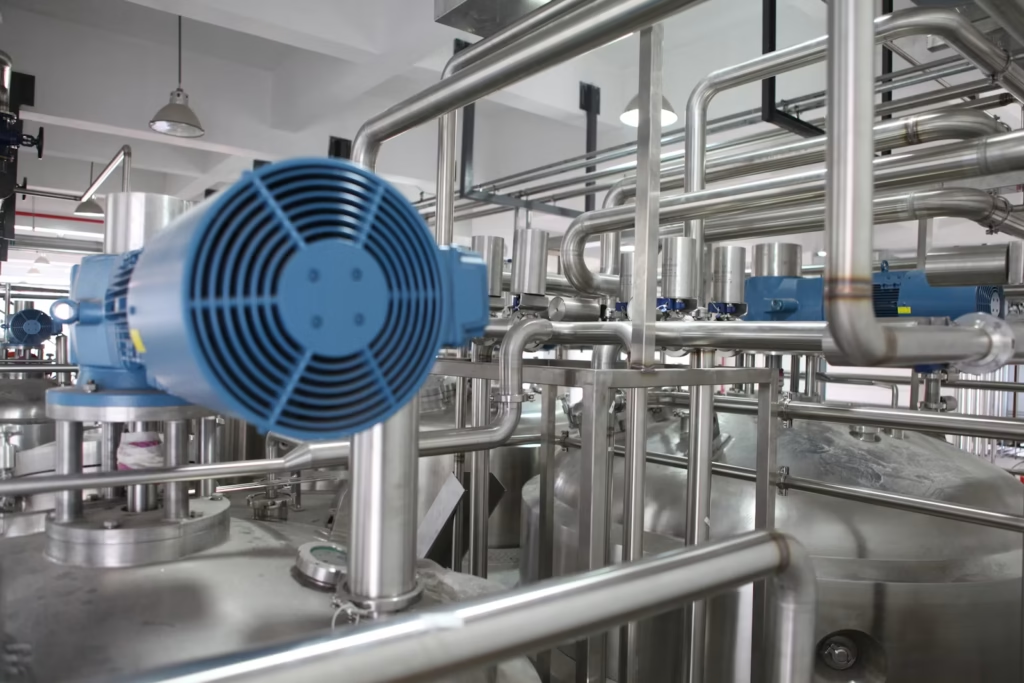
A plate heat exchanger transfers heat between two fluids across a stack of thin corrugated plates sealed by gaskets and clamped in a frame. The corrugations create turbulence at low flow, which makes plate units far more compact than shell-and-tube exchangers for the same duty.
Also called: PHE · gasketed plate exchanger · plate pack · plate and frame
Flow rates and inlet/outlet temperatures for both fluids. A duty given on one side only cannot be sized.
Allowable pressure drop sets plate count. It is the constraint most enquiries leave out and the one that changes the price most.
Design fouling decides how much surface to add. Under-declaring it is why exchangers stop meeting duty in year two.
Titanium for chlorides and seawater; EPDM, NBR or Viton chosen against the fluid and the temperature.
A frame with room for extra plates costs little now and lets you add duty later without replacing the unit.
Flow rates and inlet/outlet temperatures on both sides, the two fluids, allowable pressure drop and the fouling factor you design to. Connection sizes and available footprint let us confirm the frame.
Yes — this is a large part of what we do. Send the nameplate details and a photo of the plate corner pattern. Replacement plates and gaskets are usually far cheaper than a new unit.
Usually yes. Specifying a frame with room for additional plates costs little now and lets you add duty later without replacing the whole unit.