Single and multi-bag or cartridge vessels in carbon and stainless steel, with swing-bolt, davit or clamp closure — built around the element you are going to run.
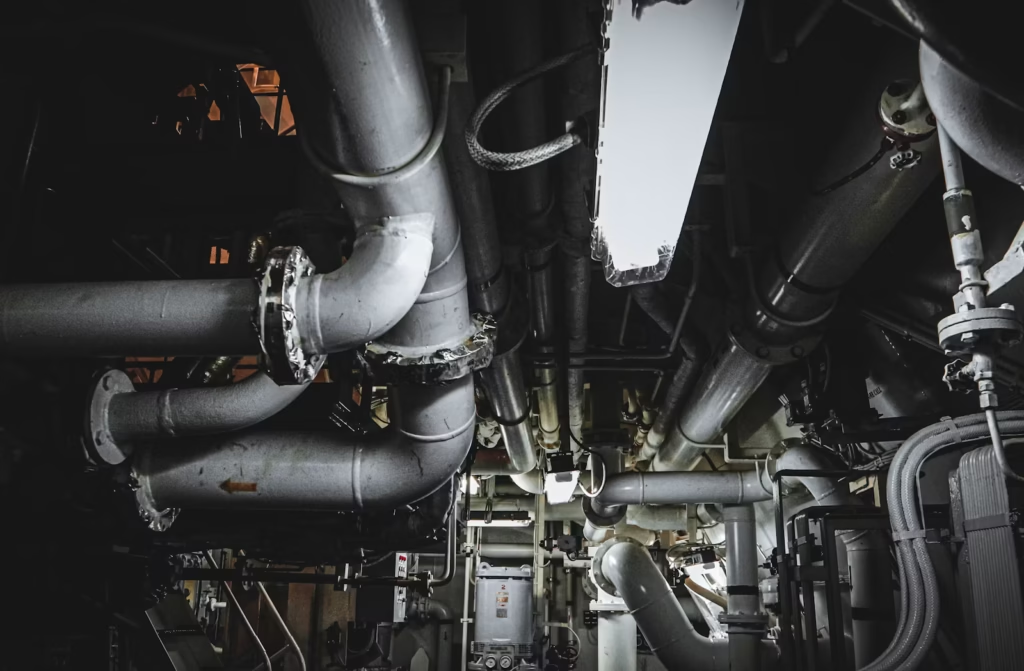
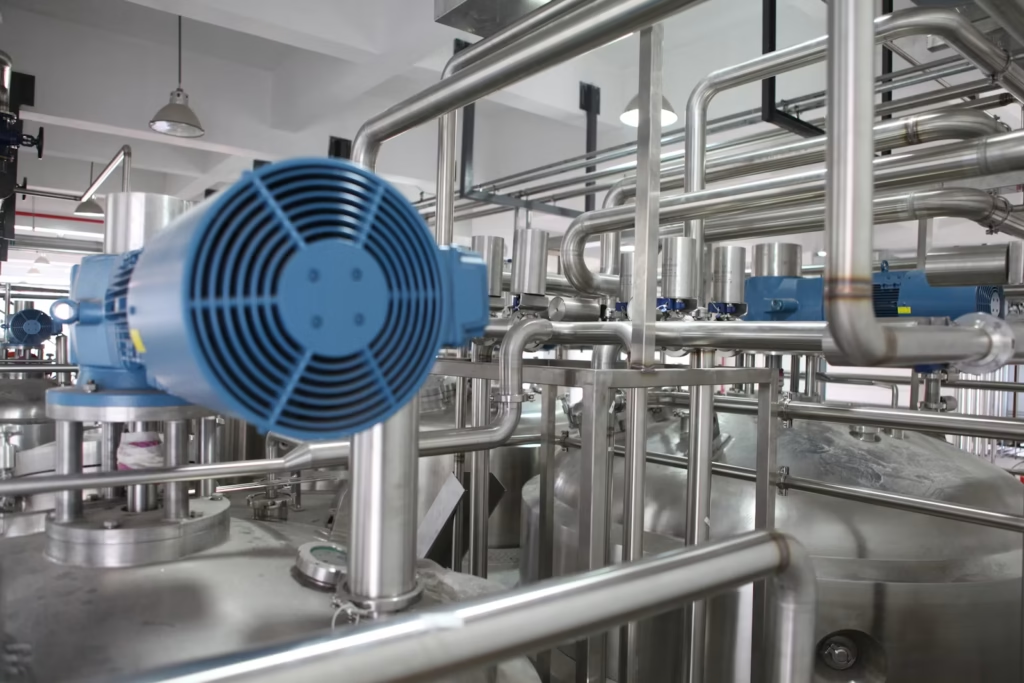
A filter housing is the pressure vessel that holds filter bags or cartridges in a process line. It carries the inlet and outlet connections, the basket or plate that locates the element, and a closure for change-outs. Housings are built in stainless or carbon steel and typically rated to 10 bar.
Also called: filter vessel · bag filter housing · multi-bag housing · filter pot
Bags for high solids and lower cost per change-out; cartridges for a finer, repeatable cut. Dirty streams often warrant both, in series.
Capacity is a trade between vessel cost and how often an operator opens it. More elements means longer between change-outs.
316L for chlorides, food and pharmaceutical duty. Carbon steel only where the fluid and the inspection regime allow it.
Swing bolt on small diameters, davit arm on large ones. This is an operator decision, not an engineering one — ask whoever changes the bags.
A gauge across the housing tells the operator when to change the element. Without it, change-outs happen by calendar and money is wasted either way.
Bag housings handle higher solids loading and cost less per change-out. Cartridge housings give a finer, more repeatable cut and are the choice where the filtrate spec is tight. On dirty streams a bag housing ahead of a cartridge housing is the usual arrangement.
Yes. Send the drawing or the datasheet and we quote against it, including material certificates where required.
Inlet and outlet gauges, a vent valve and a drain are standard on our quotations. A differential pressure gauge across the housing is the single most useful addition — it tells the operator when to change the element instead of guessing.