
FRP induced-draft cooling towers, plus replacement fills, drift eliminators, nozzles and fan assemblies for the cells you already run.
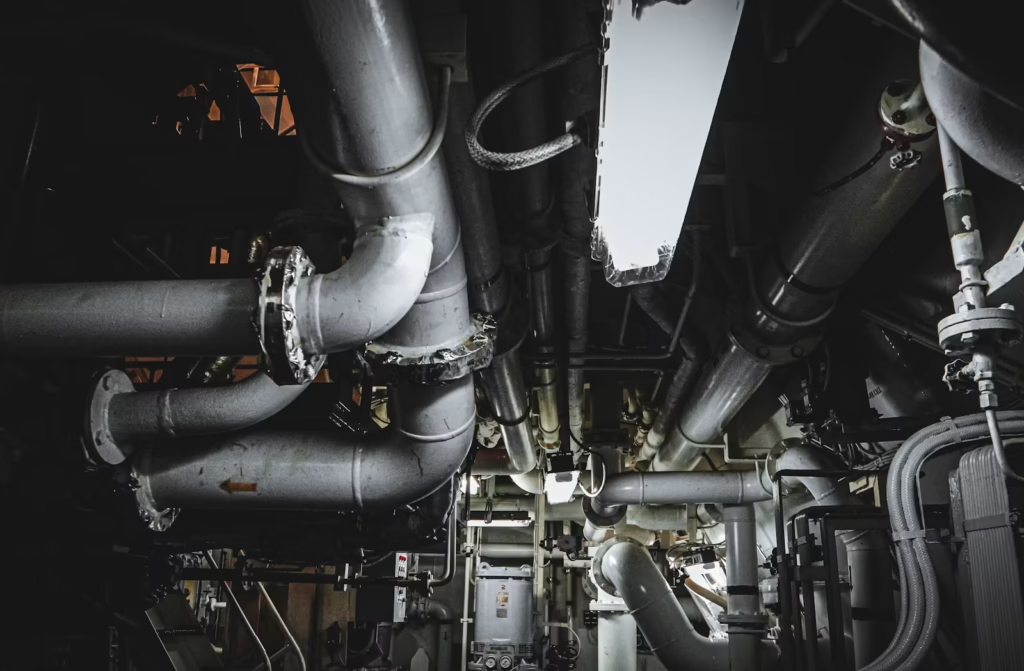
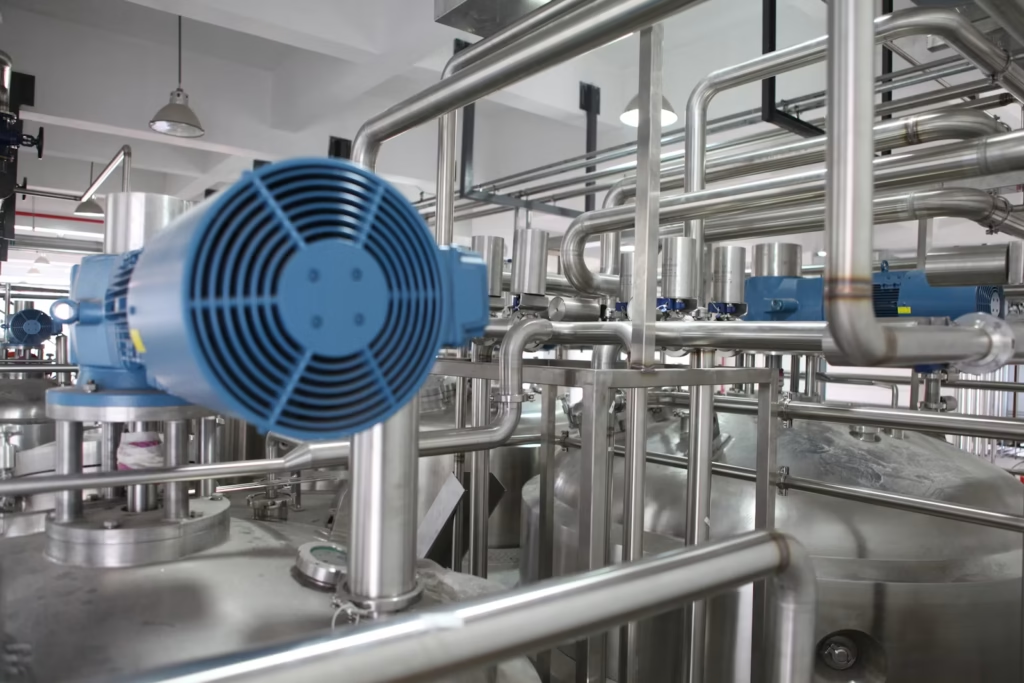

A cooling tower rejects waste heat from a water circuit to the atmosphere by evaporating a small part of the circulating water. Induced-draft FRP towers pull air through a fill pack while water is distributed over it, cooling the remainder before it returns to the process.
Also called: FRP cooling tower · induced draft tower · cooling cell · CT
Karachi, the UAE coast and inland Punjab have very different design wet-bulb temperatures. Sizing on the wrong one is the most common error we see.
Circulating flow rate plus hot and cold water temperatures. Range and approach follow from these.
Film fill is efficient and compact; splash fill tolerates dirty or high-turbidity water without clogging.
Counter-flow is more efficient and takes less ground area; cross-flow is easier to access and maintain.
Stainless or hot-dip galvanised fixings near the sea. FRP does not corrode; the bolts do.
Circulating flow rate, hot and cold water temperatures (the range), and the design wet-bulb temperature for your site. Karachi and the UAE coast have very different design wet-bulbs from inland Punjab, and sizing on the wrong one is the most common mistake we see.
Yes. Fill and drift eliminators are consumables — clogged or collapsed fill is usually why an old tower stopped meeting its approach temperature. Replacing it is a fraction of the cost of a new cell.
Counter-flow is more thermally efficient and takes less ground area. Cross-flow is easier to access and maintain, and handles dirtier water. Site constraints usually decide it.